
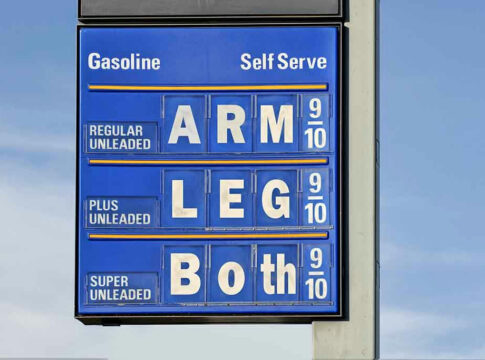
States kept reaching deeper into drivers’ wallets in 2026, even as the gas-tax fight stayed wrapped in routine budget language.
Quick Take
- Several states raised gasoline-related taxes and fees on January 1, 2026, and others use automatic formulas that lift rates each year.[3][6]
- The average state gas tax rose to 33.5 cents per gallon, showing a steady climb over time.[2][6]
- Illinois publishes a formal annual motor fuel tax schedule, which shows these changes are part of regular tax policy, not one-time shocks.[3]
- The sources confirm higher costs at the pump, but they do not prove that every increase was tied to a specific transportation shortfall.[1][2][3][6]
What Changed in 2026
NerdWallet reported that gas taxes rose in Florida, Georgia, Massachusetts, Minnesota, Nebraska, New Jersey, and Utah on January 1, 2026.[3] The increases were small, ranging from less than 1 cent to 3.3 cents per gallon.[3] The Energy Information Administration said 26 states changed gasoline taxes between January 1, 2025, and January 1, 2026, with 19 raising them and 7 lowering them.[6] That makes the 2026 changes part of a larger state trend, not a one-state event.[3][6]
Some of the increases were built into state formulas. NerdWallet said Florida’s state sales tax on gas rose by half a cent, and its State Comprehensive Enhanced Transportation System Tax also ticked up by less than a cent.[3] Illinois went further by publishing a formal bulletin setting its gasoline motor fuel tax at 49.6 cents per gallon for the period from July 1, 2026, through June 30, 2027.[3] That kind of schedule shows how many states treat fuel taxes as a standing revenue tool.[3]
Why States Keep Returning to Gas Taxes
The main policy reason is transportation funding, but the sources only show that in general terms.[2][3] USAFacts reported that the average state’s total gas tax rose from 27 cents per gallon in 2015 to 33 cents in 2026.[2] The Energy Information Administration also said the average state gas tax reached 33.5 cents per gallon in 2026.[6] Those numbers matter because fuel taxes bring in steady money from a tax base that still reaches most drivers.[2][6]
That same structure helps explain why state leaders often avoid calling these moves tax hikes, even when the cost is real.[3][6] A formula-based increase can look like a technical update instead of a vote on higher taxes.[3] Illinois is the clearest example in the material provided, because its tax bulletin spells out a yearly rate change with an effective date.[3] For drivers, though, the result is simple: the price at the pump goes up.[3][6]
What the Record Shows, and What It Does Not
The evidence here is strong on the fact of the increases, but weaker on the case for necessity.[1][2][3][6] The sources do not provide state budget gaps, project lists, or legislative findings showing exactly why each 2026 change was needed.[1][2][3][6] They also do not separate every inflation-linked adjustment from every separate policy choice.[3] So the record proves rising gas taxes, but it does not fully prove the public rationale behind each one.[1][3][6]
That gap helps fuel distrust on both sides of the political aisle. Many drivers see a higher bill and a government that seems more focused on collecting money than explaining it.[2][3][6] Others worry about hidden, automatic tax growth that happens without much public debate.[3] In a year when gas prices remain a daily concern, even small tax changes can feel like one more sign that state government is asking households to carry the load while giving thin answers back.[2][6]
Sources:
[1] Web – Happy America 250! These States Celebrate With Higher Gas Taxes
[2] Web – State Gas Taxes: What They Are And How Much You Pay – NerdWallet
[3] Web – How much do you pay in gas taxes? – USAFacts
[6] Web – Many states slightly increased their taxes and fees on gasoline … – …