
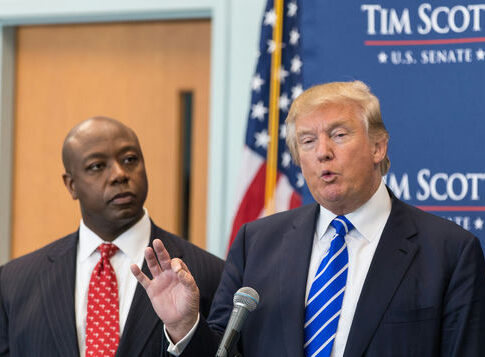
A tightening power struggle inside the Republican Party now tests whether Trump’s iron grip becomes lasting legacy or dangerous vacuum.
Story Snapshot
- Trump’s 2024 reelection and MAGA surge have turned the GOP into a leader-centered party built around him.
- Legal fights, the Iran war, and internal Senate frustration are opening cracks in that dominance.
- Strategists and swing-district Republicans still rely on Trump’s popularity to drive turnout and protect the conservative agenda.
- How Trump handles Iran, party discipline, and investigations now will define whether the vacuum is filled by him—or by his rivals.
Trump’s iron grip on the GOP – and why it matters for conservatives
Donald Trump’s 2024 win did more than bring a Republican back to the White House. It locked the party’s machinery around his America First message and the voters who back it. Analysts describe the modern Republican Party as an institutional arm of the MAGA movement, not a separate force that can easily push back. That means Trump’s choices on war, spending, and judges do not sit apart from the party. They define it for millions of conservative voters who want the Constitution respected and borders secured.
Party data shows just how strong that lock is. A May 2026 study found nearly two-thirds of Republicans now identify as “MAGA Republicans,” a sharp rise from only about one-third in 2022. These voters overwhelmingly trust Trump and tend to back his calls, even when critics say those calls break from earlier non-intervention views. Polling also shows most Republicans see him as their strongest national candidate, despite ongoing legal fights. For conservatives worried about woke agendas and open borders, that loyalty is the main shield against a hard left turn in Washington.
Where the power vacuum is opening inside the party
The problem is that an iron grip can hide growing cracks. The Iran war is one major stress point. Research shows MAGA Republicans strongly supported Trump’s Iran policy, while many non-MAGA Republicans opposed it and called it a foreign policy failure. Some well-known conservative voices broke with Trump over the war, arguing it clashed with his earlier promises to avoid endless conflict abroad. That split suggests the movement is more personal than fully united on clear principles. When war and rising gas prices hit home, voters who backed Trump for economic relief and border control start asking new questions.
Inside the Senate, signs of strain are clearer. One Republican strategist says Senate staff feel “out of the loop” on major Iran decisions and are not included in White House planning. Some senators are already positioning for their own future presidential runs, instead of simply lining up behind Trump. That kind of quiet maneuvering is how a power vacuum begins. The party still relies on Trump to rally the base, but some lawmakers see room to move around him. For constitutional conservatives, the danger is simple: a fractured party makes it easier for Democrats to retake Congress and ramp up investigations that target gun rights, election laws, and Trump himself.
Trump’s dominance strategy: base turnout vs. governing questions
National Republican strategists openly admit they lean on Trump’s popularity with GOP voters to boost turnout in swing districts. They see his rallies and endorsements as a proven tool to keep working-class and rural voters engaged, which is critical to stopping a new left-wing Congress from raising taxes and weakening border enforcement. Trump is also personally pressing House leaders to move voter-citizenship bills, spending hours with Speaker Mike Johnson to make strict voter rules a top priority. That focus answers a core concern for conservatives: protecting election integrity after years of chaos and lawsuits.
At the same time, Trump’s critics point to choices they say show less interest in day-to-day governing. Commentators note his refusal to sign or veto a bipartisan housing bill, which he let become law without his signature and called a rare passive move. They also highlight legal setbacks like civil damages in the E. Jean Carroll case and continued investigations tied to Jeffrey Epstein allegations. For many MAGA voters, these prosecutions look political and unfair. But for some Republicans in Washington, they raise questions about long-term stability and whether the movement rests too much on one man instead of a deeper bench of conservative leaders.
Challenges from inside the right: is there a real rival?
Talk of a “post-Trump” GOP centers mainly on Florida Governor Ron DeSantis. Earlier polling once showed him leading Trump among likely Republican primary voters, and reporters say his team planned a long-haul strategy in delegate-rich states such as California and New York. DeSantis also pushed a high-profile airport renaming fight in Palm Beach, drawing lawsuits and calls for Congressional limits on Trump family branding. That controversy became part of a broader media story painting Trump as egotistical and asking whether Republicans should move on.
But research also shows this challenge never truly displaced Trump after his 2024 win. Analysts note that DeSantis and other critics have not offered primary-source evidence that undermines the fact of Trump’s reelection or his delegate strength inside the party. Instead, they lean on dissatisfaction and media pressure. Other reports say Republicans want DeSantis to reset his media strategy because his confrontational style is not helping him build a strong national base against Trump. In simple terms: talk of a vacuum is real, but no rival has yet matched Trump’s support with working-class voters and core conservatives who care about borders, energy costs, and cultural issues.
What is at stake for conservative voters if the vacuum grows
Scholars studying American politics warn that our era features weaker parties but stronger partisanship. That means voters hold intense views, yet party rules and guardrails are softer. The MAGA movement fits this pattern. It is a “personal constituency” built around Trump more than a detailed platform. When one leader carries that much weight, any legal hit, foreign policy crisis, or health concern can shake the whole conservative project. If Democrats regain Congress, many analysts expect more aggressive investigations aimed at Trump and his allies, framed as defending democracy but felt by conservatives as pure partisan warfare.
For Trump supporters and traditional conservatives, the key question is not whether Trump still leads the party. The data says he does. The real question is whether that leadership will be used to close the vacuum or let it widen. Moves toward transparency on health and finances, firm constitutional stands on war powers, and clear communication with Senate and House conservatives could turn today’s frustrations into a stronger, more stable movement. If that does not happen, growing splits on Iran, spending, and ethics could give the left the opening it needs to reverse the gains of 2024 and push America back toward globalism, higher energy costs, and expanded federal power.
Sources:
pjmedia.com, illiberalism.org, brookings.edu, youtube.com, pbs.org, coloradopolitics.com, facebook.com, nbcnews.com, en.wikipedia.org
Get the mega RINO Thune out and I’ll consider supporting the GOP in the mid-terms. Otherwise I’m done voting all together. This majority in congress has proven to me what I vote for doesn’t matter.